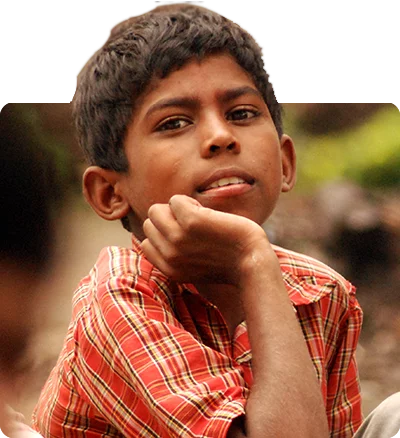
The Importance Of Children’s Rights
According to the United Nations Convention on the Rights of the Child (UNCRC), which was ratified by India in 1992, all children have fundamental rights which must be recognized by governments and citizens alike. At Bharatiya Bala Samrakshana Trust, we’re committed to doing everything we can to ensure the rights of India’s children and so, work on 4 key programmatic areas.
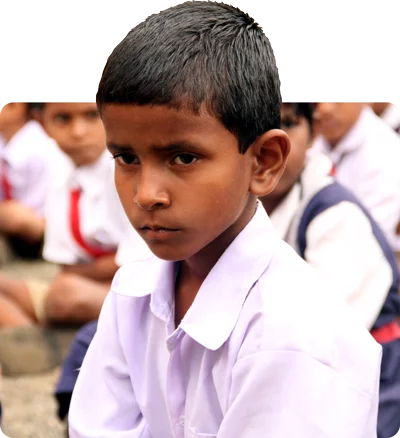
Education
Right To Development
A quality education not only builds knowledge, capabilities, life skills and values amongst children but also develops their creative, social and emotional abilities. It is crucial for their cognitive and personal development, including critical thinking and problem-solving.
We believe that every child should be able to go to school and complete their education without any discrimination based on gender, caste or socio-economic status.
School Readiness
It has been observed that Anganwadi centres play a big role in preparing children for formal primary school. They help children develop the skills, knowledge and attitudes which are critical for them to succeed in school as well as late in life. Building the capacity of Anganwadi workers thus becomes a key area of intervention.
Bharatiya Bala Samrakshana Trust education programs focus on:
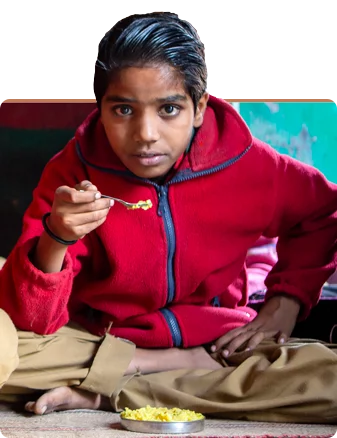
Health & Nutrition
Right To Survival
Proper nutrition and quality primary healthcare are essential for a child’s physical, mental and cognitive development. Timely, regular and adequate intake of essential nutrition is necessary from the time of conception itself to avoid long-term and in some cases, irreversible damage to the child’s health.
We believe that no child should suffer from malnutrition or poor health irrespective of their socio-economic background.
Our health and nutrition programs adopt a preventative and responsive approach towards reducing malnourishment as well as India’s infant mortality rate (IMR), child mortality rate (CMR) and maternal mortality rate (MMR) by connecting communities to government services, schemes and benefits.
Bharatiya Bala Samrakshana Trust does this by focusing on the following:
Prenatal & Postnatal Care
Proper and timely care for expectant as well as lactating mothers is crucial for a child’s healthy development. Quality prenatal care that reduces the risk of pregnancy complications, institutional deliveries that aid healthy live births and regular postnatal check-ups that encourage breastfeeding are key areas of intervention. We support the government duty bearers in their efforts to provide health services to expecting mothers for their pre-natal and post-natal care.
Growth Monitoring
Regular growth monitoring for children till the age of 6 years is imperative to ensure healthier childhoods. Creating awareness around infant and young child feeding (IYCF) practices, addressing gender discrimination to enable equitable access to primary healthcare and ensuring the completion of immunization schedules to manage preventable diseases through government healthcare system are critical areas of intervention.
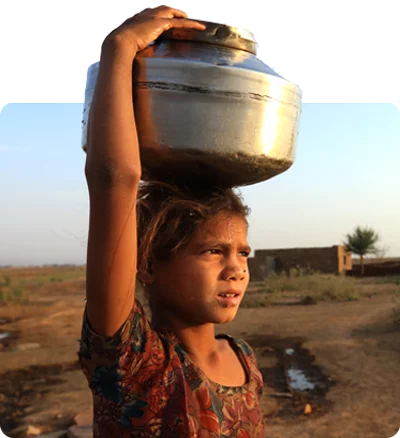
Safety & Protection
Right To Protection
All children are vulnerable to neglect, violence and abuse but marginalization further compounds such vulnerability. Exposure to unsafe environments can negatively impact the physical, emotional, mental and social development of the child and the damage is often permanent.
We believe that building a safe environment for all children, till the age of 18 years, is critical to protect them from abuse and exploitation.
Bharatiya Bala Samrakshana Trust child safety & protection programs focus on:
Child Labour
According to the International Labour Organization (ILO), child labour is generally defined as the practice of children prematurely leading adult lives, working long hours for low wages under hazardous conditions, often separated from their families and deprived of meaningful education opportunities. It deprives children of their childhood and robs them of their dignity. The endeavour is to work with the community to eliminate the practice at the village level while simultaneously ensuring that children go to school instead of work.
Child Marriage
Child marriage is one of the most prevalent forms of exploitation and sexual abuse – particularly with girls under the age of 18. The practice is widespread in India across all the states in varying degrees but more acutely in Rajasthan, Madhya Pradesh, Bihar, Uttar Pradesh, Jharkhand, Haryana, Karnataka, Andhra Pradesh and Tamil Nadu. The endeavour is to work with the community to eliminate the practice at the village level while simultaneously ensuring that girls go to school instead of becoming child brides and shouldering early motherhood.
Child Trafficking
A form of human trafficking, child trafficking is understood as the kidnapping of a child for the purpose of slavery, forced labor and exploitation. In India, children are trafficked for different purposes including labour, commercial sexual exploitation, marriage, adoption and even organ trading. Setting up child protection committees at the village level for prevention is a key area of intervention.
Child Participation
Right To Participation
Children have a right to be heard and their opinions considered by the adults around them. Every child should have the agency to speak out and/or act on the issues that affect them. It’s not only important for their mental and emotional development but also fosters a high degree of self esteem and self belief.
We believe that all children have the potential to be agents of change and the ability to hold dialogue on the things that matter to them.
Bharatiya Bala Samrakshana Trust’s child participation programs focus on building children’s collectives as peer support groups and engaging with the children to build their awareness on child rights issues.